In Montecito, architecture is defined by place, shaped by landscape, restraint, and an enduring sense of continuity. Few firms have contributed more consistently to that identity than The Warner Group Architects, whose work has quietly shaped the region’s residential and institutional architecture for nearly six decades.
Founded in 1966 by Jack Lionel Warner, alongside partners James Morris and Charles Wilson, the firm established its early direction with a defining commission: the conversion of a historic lemon packing house into the clubhouse for Birnam Wood Golf Club. Rather than erase its agricultural character, the design retained and adapted the structure, setting an early precedent for contextual sensitivity and adaptive reuse that would continue to inform the firm’s work.
In 1999, under the leadership of Thiep Cung, who had joined the firm in the mid-1990s, the practice transitioned into its current form as The Warner Group Architects, Inc. While leadership evolved, the design philosophy remained consistent, grounded in restraint, proportion, material integrity, and a deep responsiveness to site.
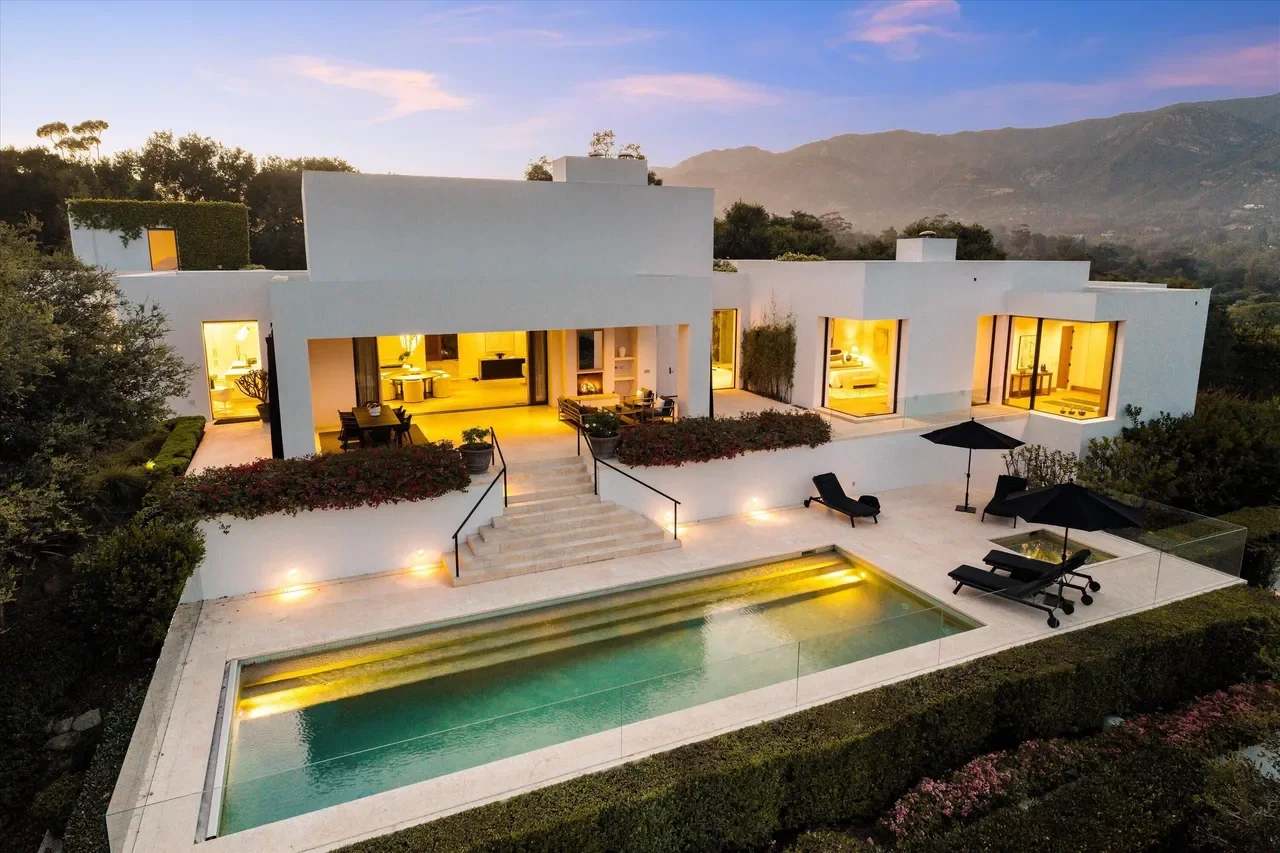
Across its residential portfolio, Warner Group homes are distinguished by a strong relationship to their surroundings and a commitment to indoor- outdoor living. Courtyards, axial planning, and carefully composed visual connections to gardens, views, and terrain are recurring elements. Rather than treating architecture as an isolated object, each residence is developed as part of a broader spatial and environmental whole.
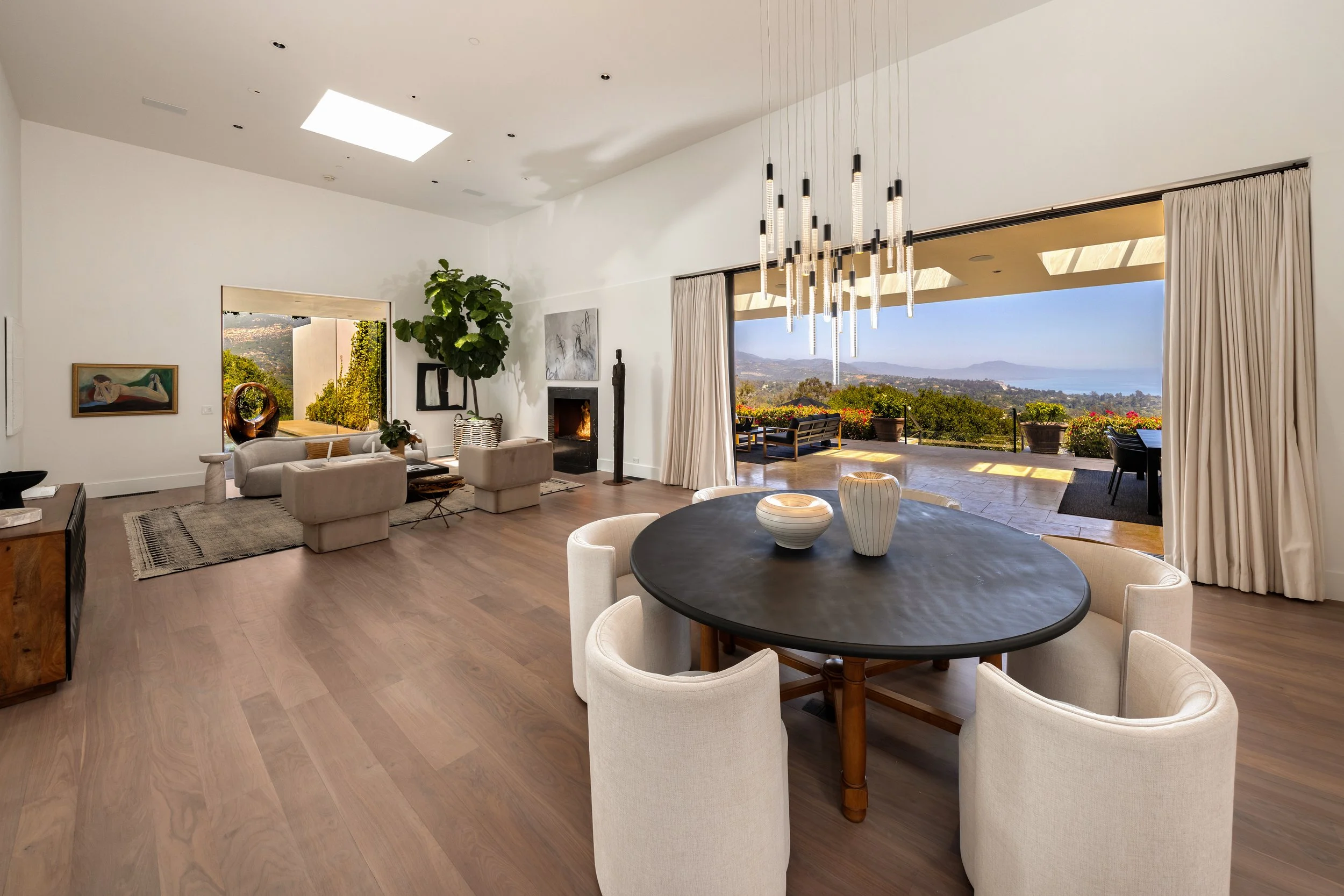
Interior design has also been integral to the firm’s practice since its founding. Instead of functioning as a separate layer, interiors are developed in parallel with architecture, allowing structure, material, and interior experience to evolve as a unified concept. This integration is expressed through restrained material palettes, custom detailing, and a consistent emphasis on spatial clarity and livability.
The firm’s residential work across Montecito reflects a steady evolution of this architectural language. Later homes introduce greater openness and transparency while maintaining a grounded relationship to their sites. Interior and exterior spaces are conceived as a continuous experience, with living areas extending naturally into terraces, loggias, and gardens.
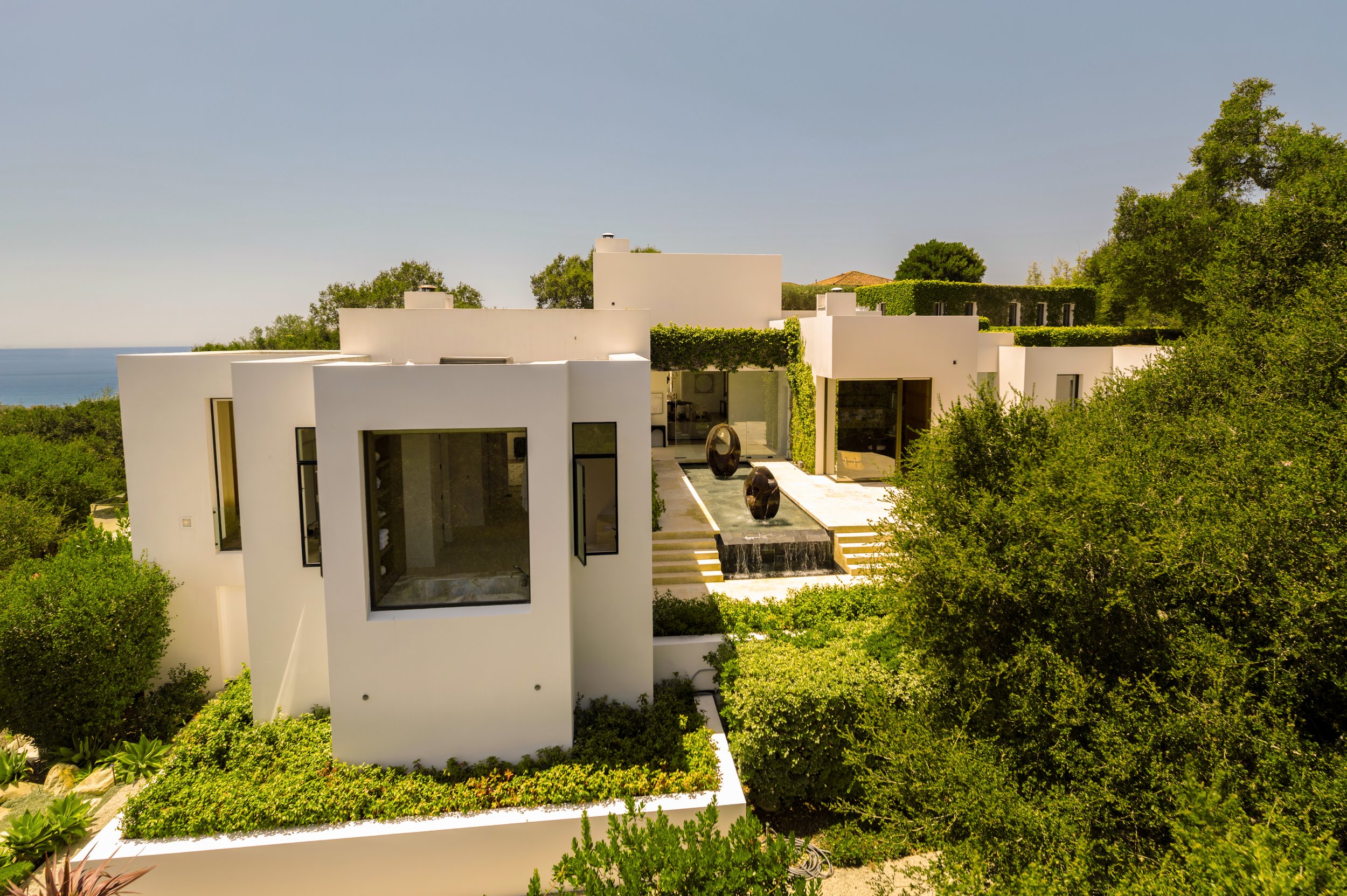
This approach is clearly reflected in notable Montecito residences, including 356 Woodley Road, widely regarded as Jack Warner’s final residential commission. Completed in 2000 in the Pepper Hill enclave, the estate captures expansive coastal and mountain views while emphasizing light, openness, and spatial flow. It represents a culmination of Warner’s design philosophy, expressed through open volumes, broad glazing, and a continuous dialogue between interior space and its natural surroundings.
Today, The Warner Group Architects remains one of Montecito’s most established architectural practices. Their legacy is defined not by a singular style, but by a consistent architectural approach rooted in context, restraint, and longevity. In a region known for exceptional residential design, their work endures for its quiet clarity and seamless integration with its environment.
356 Woodley Road is currently listed with Robert Kemp. Contact him for a private showing.