Architectural Legacy: The Most Coveted Home Styles in Montecito
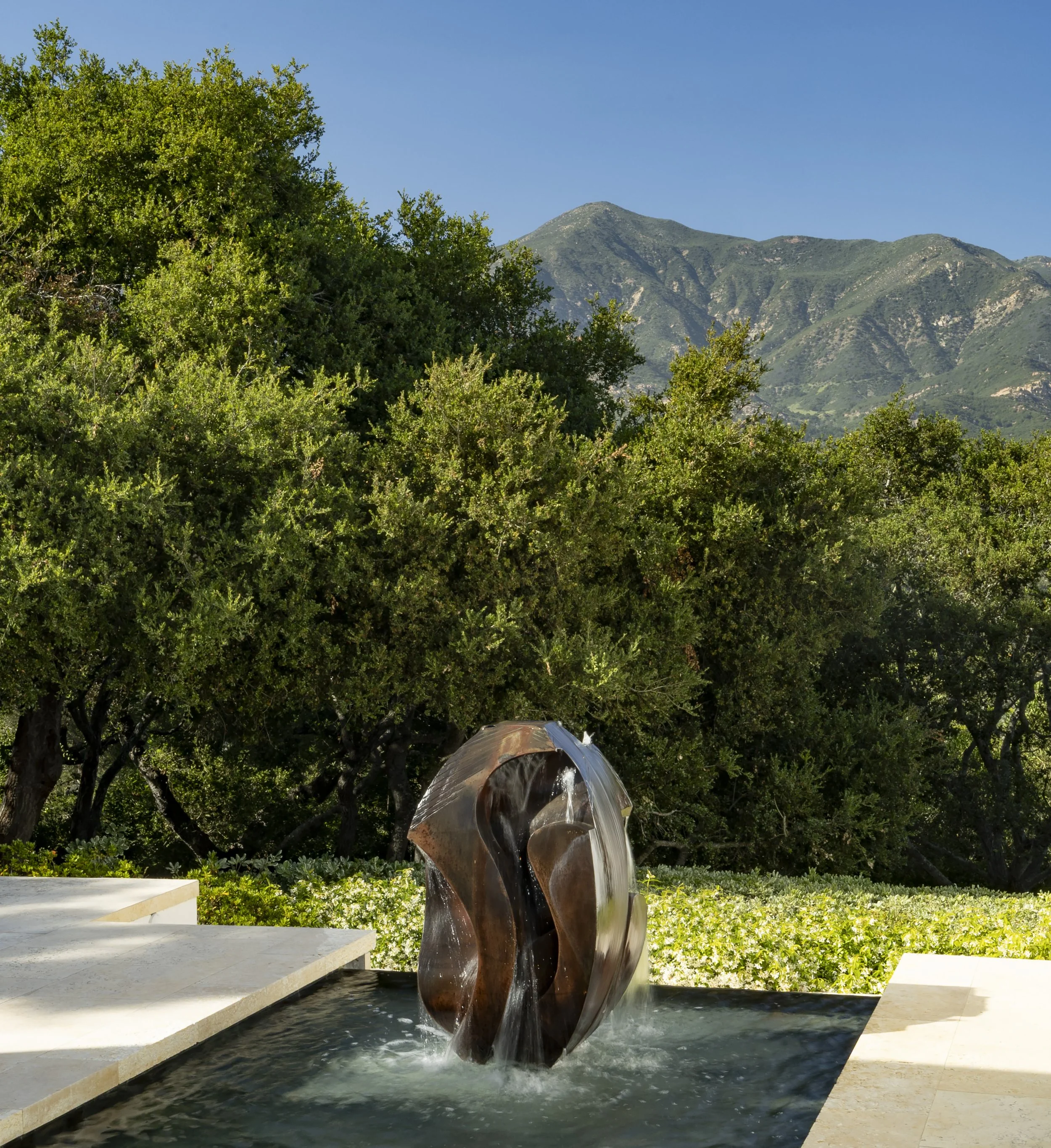
Architecture in Montecito is more than a visual signature. It reflects a deep sense of place, historical continuity, craftsmanship, and an innate connection to the landscape. Here, architecture is measured not just in form and finish but in how a home resonates with its environment and supports the lifestyle that defines Montecito living.
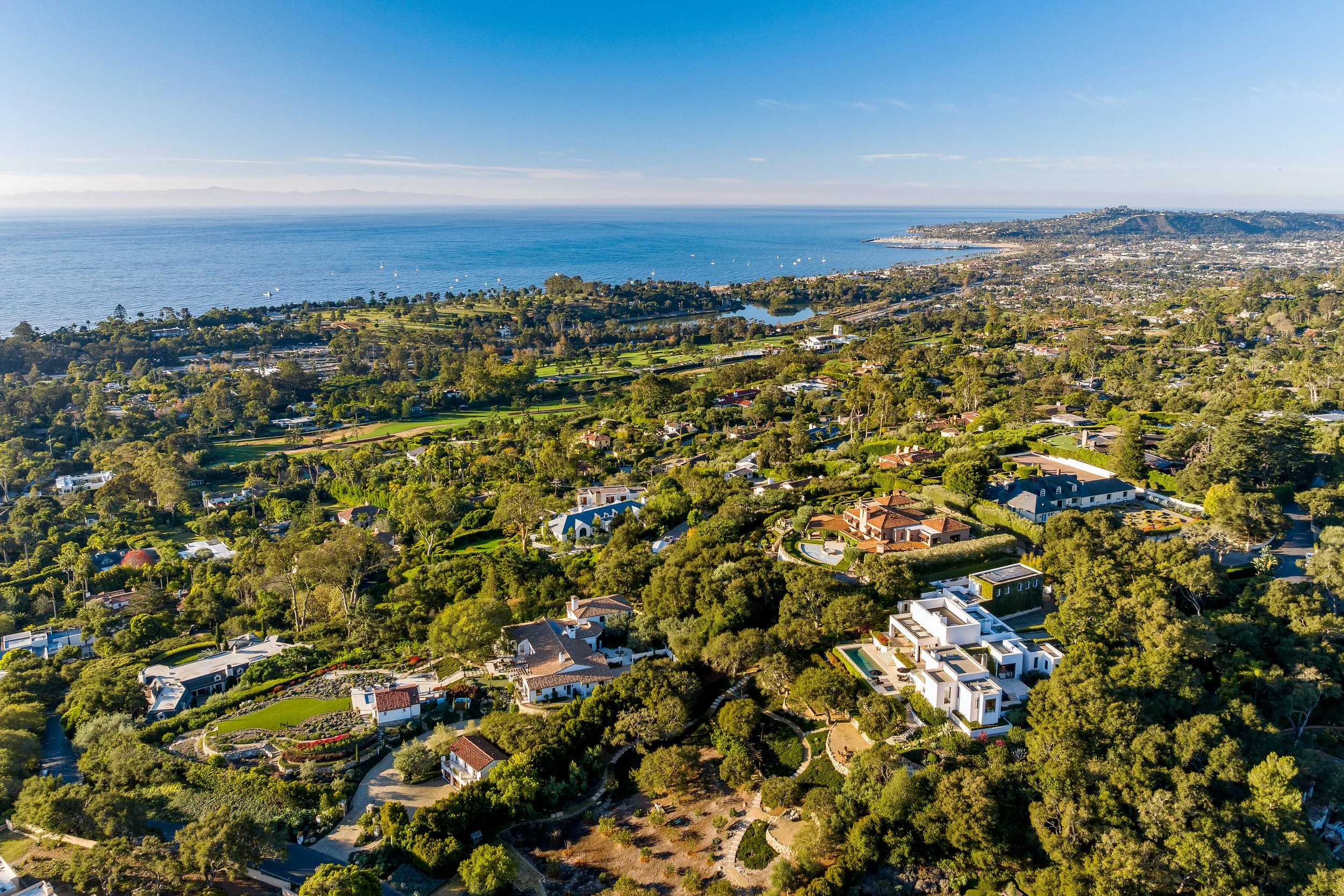
Among the styles that continue to resonate most strongly are Spanish Colonial and Mediterranean estates. Celebrated for their warmth, balanced proportions, and classic detailing, these homes are deeply rooted in regional tradition. Their thick plaster walls and clay tile roofs help regulate temperature naturally, while shaded loggias and interior courtyards create living spaces that feel both intimate and grand. Designed for the coastal climate, these homes respond to wind, light, and the landscape itself. Over generations, they take on character and patina, earning a sense of authenticity that is rare in contemporary markets.
These traditional estates are often sited with careful attention to terrain, views, and landscape. Mature gardens, framed vistas, and thoughtful orientation reinforce the feeling that the architecture and land belong together. This harmony is a defining characteristic of Montecito’s most admired homes.
Montecito’s architectural identity owes much to a lineage of historic architects whose work helped define the region’s aesthetic language. George Washington Smith is widely regarded as a foundational figure in the Spanish Colonial Revival style. His designs emphasize proportion, restraint, and craftsmanship with a sensitivity to light, material, and scale. Smith’s work set a regional standard for elegance interpreted through Mediterranean precedent.
Lutah Maria Riggs brought a human-scaled approach to this tradition, blending the historic language with practical adaptation for modern living. Her work emphasized clarity of form and comfort without sacrificing stylistic integrity. Wallace Neff helped popularize a California interpretation of Mediterranean architecture, emphasizing light, indoor-outdoor living, and a relaxed refinement that suited Southern California’s climate and lifestyle. Architects such as James Osborne Craig and Reginald Johnson further underscored harmony with the land and lasting craftsmanship, creating homes that remain benchmarks of style and substance.
Montecito’s architectural legacy is not confined to history. Today, visionary architects continue to shape the region’s built environment in ways that respect tradition while embracing contemporary innovation. Jeff Shelton is a defining voice in this evolution. Known for his studio’s imaginative, material-rich work, Shelton brings an artistic sensibility to residential design that feels both expressive and deeply tied to place. His approach integrates organic materials, texture, and spatial fluidity, creating homes that feel bespoke and poetic. Shelton’s work often reads as visual narratives where structure, light, and landscape are part of a continuous experience, rather than separate design elements. This sensibility resonates with buyers who seek homes that are both artistic and livable. (jeffsheltonarchitect.com)
Robin Donaldson brings an equally sophisticated perspective, grounded in a transdisciplinary approach that engages architecture, art, landscape, and environment in unified design. As founding partner of Donaldson + Partners, he has created celebrated projects that have been featured in Architectural Digest, Elle Decor, The Wall Street Journal, and GA Houses, among others. His work on residences such as the Hill House in Montecito reflects a careful balance of sculptural form and environmental responsiveness. The Hill House engages its hillside setting with continuous indoor-outdoor relationships, thoughtful spatial sequencing, and an architectural language that feels both modern and anchored. Donaldson’s designs emphasize proportion, material clarity, and a deep respect for context, providing a blueprint for contemporary luxury that still feels timeless. (donaldsonplus.com)
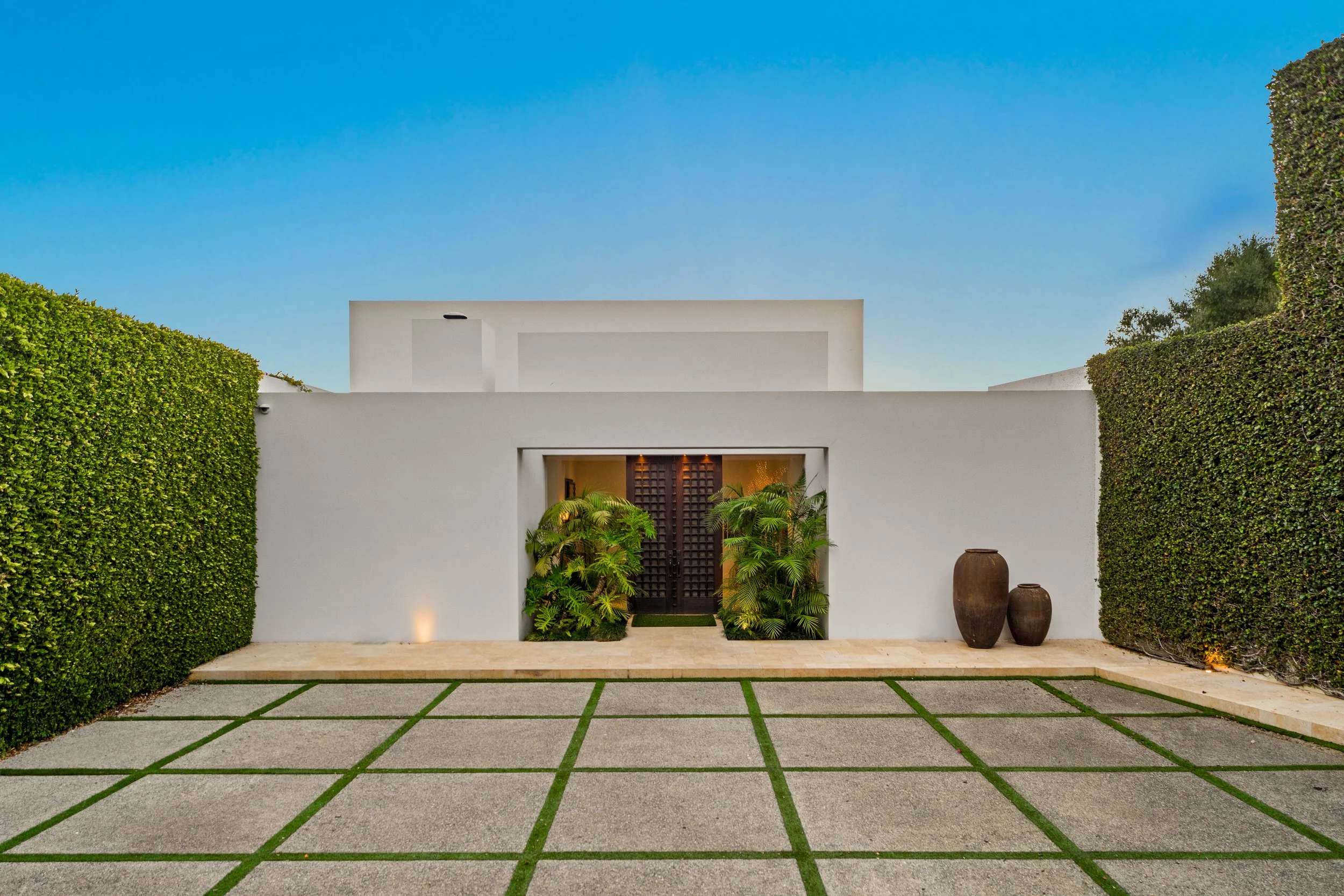
Modern and organic contemporary design has also found its place in Montecito. When executed with restraint and respect for surroundings, contemporary architecture can feel timeless and entirely appropriate to the region. Natural materials such as stone, wood, and glass allow homes to integrate fully with their settings. Expansive windows and open plans emphasize light, landscape, and connection, creating spaces that feel calm and intentional.
Across all styles, one consistent principle emerges. Preservation matters. Buyers increasingly seek homes that respect their original architectural intent while incorporating modern comfort, performance, and efficiency. Thoughtful updates to kitchens, baths, systems, and technology enhance livability without diminishing character. Over-renovation, by contrast, can erode architectural integrity and long-term appeal.
In Montecito, architectural integrity directly influences value. Homes that feel authentic to their era and environment tend to attract stronger demand and maintain long-term desirability. Design rooted in place, rather than passing fashion, continues to outperform in this discerning market.
Ultimately, the most coveted homes in Montecito are those that tell a quiet story of proportion, purpose, and connection to the landscape. They feel considered, balanced, and intimately linked to their surroundings. Architecture in Montecito is not about making a spectacle. It is about creating a sense of belonging. In a market defined by legacy and lifestyle, architectural integrity remains one of the most enduring and treasured assets a property can offer.